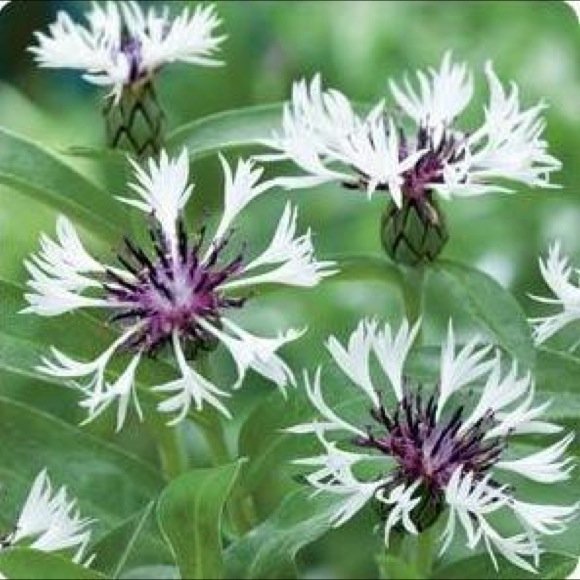
These are examples of other butterfly sustaining plants that were recently added to our garden. Unfortunately, our students were not able to photograph our own flowers, but Pierce researched images online and discover both scientific and common names for each plant.
Wednesday, June 12, 2013
Wednesday, May 22, 2013
Here are some flowers photographed by CASP 4/5 students in the Cabot Butterfly and Pizza Garden.
Foxglove Digitalis
Foxglove
Petunia
Petunia
Petunia
Sunflower Sprout
Sunfire Coreopsis
Columbine Aquilegia
Columbine Aquilegia
Columbine Aquilegia
Columbine Aquilegia
Forget Me Not Myosotis
Pizza Topping Garden
"Warning HOT" Oregano stake with mushrooms
Day Lily Hemerocallis
Blueberry Bush Flowers
Blueberry Bush
Honeysuckle Lonicera
Bleeding Hearts
Butterfly Bush
Lady Bug
Pizza Topping Garden and Butterfly Garden
Monday, May 13, 2013
Eco-Boutiquo Success!!!
I am pleased to tell you that the Eco-Boutiquo raised $307! Thank you to all of the CASP students for their help, and the overwhelming support from the Cabot community. The terrariums and Dutch Iris bulbs were the Eco-Boutiquo's most popular items. The hemp bracelets and up-cycled journals were also a big hit.
All of the money that was raised goes to purchasing plants for the Butterfly and Pizza Garden. So far Gardening Club and the 4/5 program planted two butterfly bushes, two blueberry bushes, liatris, phlox, iris, salvia, sunflowers, and honeysuckles. The members of Gardening Club re-used wood planks and rocks to create a pizza-shaped herb and vegetable garden. Students planted a variety of pizza toppings, such as peppers, tomatoes, spinach, onions, basil, and oregano (WARNING SPICY).
If you have any questions about the gardens please contact Emma Payette in the 4/5 program. Thanks!
All of the money that was raised goes to purchasing plants for the Butterfly and Pizza Garden. So far Gardening Club and the 4/5 program planted two butterfly bushes, two blueberry bushes, liatris, phlox, iris, salvia, sunflowers, and honeysuckles. The members of Gardening Club re-used wood planks and rocks to create a pizza-shaped herb and vegetable garden. Students planted a variety of pizza toppings, such as peppers, tomatoes, spinach, onions, basil, and oregano (WARNING SPICY).
If you have any questions about the gardens please contact Emma Payette in the 4/5 program. Thanks!
Thursday, April 18, 2013
The Amazing World of Dolphins
By: Dana* and Hannah:)
The amazing world of dolphins is one you will never forget. Dive in and read away to the wonderful world under the sea. Dolphins have lots of cool features. You will learn about those wonderful features while reading what we have written.
These are some facts on the dolphins body. Dolphins have 300 bones, and thirty-four muscles. Dolphins can grow to be thirteen feet (four meters). Male dolphins are generaly larger then females. Bottlenose dolphins are the chunkiest of all dolphins alike. Dolphins breathe by using a hole at the top of their head called a blowhole. Dolphins use their blowhole to breathe air like usUnder water, dolphins can hold their breath for about fifteen minnutes. Some dolphins you see will have a pink belly, they wern't just born with a pink belly, their belly is just simply sunburnt.
By: Dana* and Hannah:)
The amazing world of dolphins is one you will never forget. Dive in and read away to the wonderful world under the sea. Dolphins have lots of cool features. You will learn about those wonderful features while reading what we have written.
These are some facts on the dolphins body. Dolphins have 300 bones, and thirty-four muscles. Dolphins can grow to be thirteen feet (four meters). Male dolphins are generaly larger then females. Bottlenose dolphins are the chunkiest of all dolphins alike. Dolphins breathe by using a hole at the top of their head called a blowhole. Dolphins use their blowhole to breathe air like usUnder water, dolphins can hold their breath for about fifteen minnutes. Some dolphins you see will have a pink belly, they wern't just born with a pink belly, their belly is just simply sunburnt.
Bottlenose Dolphin
Wednesday, April 3, 2013
ECO-BOUTIQUO AND BUTTERFLY GARDEN
BY: LIRAZ, SAVVAS, JOCELYN, AND DANA*
Starting April 22, 2013 we are having an Eco-friendly boutique, in order to raise money for the Butterfly Garden we are planting this spring. So far we have planted butterflyweed, zinnia and sunflower seeds in upcycled strawberry, egg, and yogurt containers. We will be selling some flowers at the Eco-Boutiquo and planting the rest in our outdoor classroom. Here are some photos of the seedlings and the garden before its planted. Please check in for updates and photos.
Butterflyweed Seedlings:
Zinnias and Sunflower seedlings for sale at Eco-Boutiquo:
Phlox Seedlings:
"Before" Gardening:
Monday, February 25, 2013
Butterflies and Butterfly Gardens
For those who are interested, here is a Boston Globe article about butterflies migrating to New England earlier each year. To find out why and how it relates to climate change, check out this link:http://www.boston.com/lifestyle/green/greenblog/2013/02/_as_climate_change_takes_1.html?camp=obinsite
Here is another great resource for information about butterflies and butterfly gardening:
Massachusetts Butterfly Club
Thursday, January 17, 2013
Air Pollution in China-Toxic Levels
January 17, 2013
This past month air pollution in China has reached toxic levels, forcing people to stay indoors. Please read more information about the "across-the-board coverage of Beijing’s brown, soupy air, which has been consistently rated 'hazardous' or even worse by foreign and local monitors since last week", in this New York Times article":
http://www.nytimes.com/2013/01/15/world/asia/china-allows-media-to-report-alarming-air-pollution-crisis.html?_r=0
January 17, 2013
This past month air pollution in China has reached toxic levels, forcing people to stay indoors. Please read more information about the "across-the-board coverage of Beijing’s brown, soupy air, which has been consistently rated 'hazardous' or even worse by foreign and local monitors since last week", in this New York Times article":
http://www.nytimes.com/2013/01/15/world/asia/china-allows-media-to-report-alarming-air-pollution-crisis.html?_r=0
Friday, January 11, 2013
DID YOU KNOW?
- Did you know that recycling one aluminum can saves enough electricity to power a TV for 3 hours?
- Did you know that half the food in the world is wasted?
- Did you know "three liters of regular water go into making one liter of bottled water"?
- For more information visit: http://www.wholeliving.com/174858/50-ways-conserve-water/@center/136755/green-home-guide#25856
- Did you know "it takes 1,857 gallons of water to produce a single pound of beef. (Pork, chicken, and lamb require much less)"?
Thursday, January 3, 2013
Reasons and Ways to Take Care of Our Earth:
If you keep a healthy planet, you'll have a better view.
The earth is doing you a favor being a place for you to live. Please do the earth and everyone a favor and keep it clean.
The earth is not only our home, but home to an incredible variety of animals. Sadly, today many animals are endangered or threatened, such as the asian elephant, giant panda, cheetah, and humpback whale. For the entire list visit: http://animal.discovery.com/guides/endangered/endangered.html.
You can't live a healthy life with a unhealthy planet.
On average, each American produces 1,569.5 lbs of waste in one year. In 2013, you can eliminate waste by composting, recycling, and cutting back on buying unnecessary products with excessive packaging. To learn more about personal waste please visit: http://greenliving.nationalgeographic.com/household-recycling-personal-waste-3234.html.
By: Anna and Ella
If you keep a healthy planet, you'll have a better view.
The earth is doing you a favor being a place for you to live. Please do the earth and everyone a favor and keep it clean.
The earth is not only our home, but home to an incredible variety of animals. Sadly, today many animals are endangered or threatened, such as the asian elephant, giant panda, cheetah, and humpback whale. For the entire list visit: http://animal.discovery.com/guides/endangered/endangered.html.
You can't live a healthy life with a unhealthy planet.
On average, each American produces 1,569.5 lbs of waste in one year. In 2013, you can eliminate waste by composting, recycling, and cutting back on buying unnecessary products with excessive packaging. To learn more about personal waste please visit: http://greenliving.nationalgeographic.com/household-recycling-personal-waste-3234.html.
By: Anna and Ella
Subscribe to:
Posts (Atom)


